General Lighting | TABLE LAMPS
When it comes to choosing the perfect table lamp for your home and your lighting needs there are quite a few things to consider before making that final purchase. Table lamps have many shapes, sizes, styles, and designs to choose from, but they all have one thing in common, they are portable. Portables i.e. table lamps if you will, have a convenient cord and plug that allows the fixture to be ready for use without having the need of an electrician. Table lamps are also great investments to have because they can be inexpensive to purchase, easily replaced, readily updated, and moved frequently around. We have laid out a few things for you to think about that should help you make the right choice.
We believe the benefits of a table lamp are as follows: they create a light source; they are decorative, functional in design and portable. Let’s take a look more closely as to why a table lamp can be the perfect solution to add to your lighting design. We will start with, why it’s such a great light source to have.
Table lamps are an EASY lighting solution…
Table lamps can be very important to your overall lighting scheme. With the appropriate bulb type, shade shape and shade color, table lamps can be great for task lighting, overall lighting and can provide a beautiful ambiance setting. Here are some things to think about when selecting a table lamp as a lighting solution for your home:
Bulbs
- Use a frosted or pearl bulb if you can find one. They will always provide a softer, more shadow-free light and are always the best choice when the inside of a shade is a pale color or reflective.
- Use the maximum wattage a shade will allow. You may be using a 40-watt bulb when a 60-watt bulb would instantly improve a bedside reading lighting.
- Use energy-saving bulbs in your living room, kitchen and bedrooms, and save the harsh, gray-white light of fluorescent bulbs for the utility room or garage.
Shade Colors
- Light colored lamp shades in silk, parchment and paper will cast a relatively cool light as the bulb transmits the color of the shade.
- A cream-colored silk-pleated coolie-style shade is a safe option but is often a poor choice, as it does not effectively shade the light source or add anything to a room.
- For an atmospheric glow, go for dark color lamp shades like chocolate colored and deep purple.
- A lined shade will mellow the light source. Unlined shades tend to allow a hot spot of light to show through the shade. This can be distracting, as the eye is always drawn to the brightest point. As a quick fix, you can spray paint the inside of the shade gold to give a warm glow to the room.
- Don’t be afraid to experiment with unexpected combinations. For example, a black shade with a lime-green lining can look fresh and perky or a red lining will illuminate a low-key light.
- Punched designed shades are layered to help hide the light source. Also the shade’s cut-outs and edges it will diffuse the light to create a soft and eye catching piece.
Shade Shapes & Sizes
With all the shapes and sizes out there, it might be difficult to know what will work best in your space and what table lamp will be successful in your lighting design. Here are some things to think about when updating your old table lamps with a new shade or purchasing a new table lamp for your space.
- Try to stay with using fewer lamps that have larger shades. Less is more and a clutter of table lamps is not the look you want. Just be aware of your table lamp base heights and shade sizes.
- For shade shapes that have large openings at the top and bottom of the shade; will illuminate its maximum light source upward and downward, table lamps with these types of shades are great to help with overall lighting. Shade shapes with a smaller opening at the top or no opening at all, will illuminate more downward which is great for task lighting while you read on the couch or work on the computer in your office.
- Coolie Shade - The most common table lamp shade shape is the coolie shade. This particular shade was designed to push most of the light downward, giving the task at hand pools of light. Because of this, only the largest of these shades will produce useful amounts of light. You can always improve the levels of light in a room by changing shades of this shape, as well.
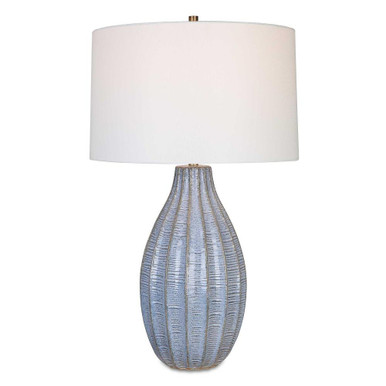
- Drum Shade - A drum-shaped (deep or shallow) shade allows an equal amount of light to push both upward and downward. This table lamp shape will definitely add to the ambient light in your space and will give a task light below. The drum shade is also a good shape for showing off the textile from which the shade is made of.
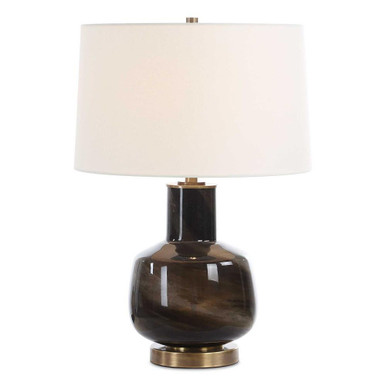
- Oval Shade – The deep or slim oval performs in a similar way to a drum shade, but can be a better choice if you have less space.
- Eye Shape Shade - The contemporary “eye-shaped” shade is a sophisticated design. It allows narrow pools of light to escape both upward, which can be a great light option to have on a narrow console table or in a hallway. Just keep in mind it might not be the best lighting solution if you are trying to achieve a lot of light in a space because its more of a task light for smaller areas.
- Cylinder Shade - This elegant shape provides a contemporary feel and projects a more narrow type of light. Because of the cylindrical shape at the top and bottom of the shade, the light will be centralized to one small area. Such a table lamp might be best used for accent lighting or in addition to your décor.
- Conical Shade – Typically found on small candlestick like table lamps or on table lamps meant for task lighting only. This shade is suitable for narrow pockets of light and for activities that need to be done nearby. With the Conical shade most of the light is pushed downward because the top tapers inward. You can also find table lamps with conical like shades that face upward too, thus having the opposite effect of a traditional conical shade shape.
- Square and Tapered Square Shade – A square shade instantly updates a room. It gives great light both upward and downward and is often useful in a corner. The tapered square is a sleek shape to use on a traditional swing-arm beside reading light and will give more useful light than a conical shade.
- Rectangle and Tapering Rectangle Shade – Much like the square shape, rectangular shades provide a refreshing and modern look. Shades of this shape are often useful on a bar or side table.
Examples of Shade Shapes on Table Lamps
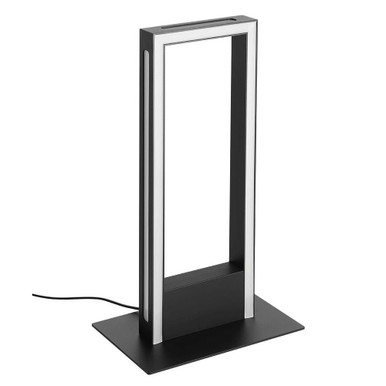
We tried to select table lamps that will allow you to see how the light source performs with different shade shapes. Keep in mind that bulb types and shade colors also play a large part on how light outputs. Here are some examples of common shade shapes and their light source performances. See below for your reference.
» back to top
Checklist before Placing Your Table Lamp
- Choose the lamp that will provide the best source of light for your space
- Consider options for highlighting focal points or areas in your space
- Remember to locate or install wall sockets before hand so that won't limit the freedom of placing your table lamp where you want
» back to top
With table lamps made in so many sizes no wonder it can be quite confusing when selecting a table lamp. The ultimate goal is to have a table lamp that will accomplish the best use of its light and fit into your décor proportionally. With table lamps, size and quantity matter. So you never want to have more than 2-3 table lamps in one space. Table lamps are not meant to provide overall lighting; they were designed to help with overall lighting and provide task lighting. Other designer’s might use table lamps to add light to a focal point or add the illusion of more light when placed in front of a mirror, but the goal still stands even with the best tricks of the trade.
There are a lot of recommendations out there and we decided to narrow it down to a few tips that might help you in choosing the right size table lamp for your space.
Table Lamps for the Living Room
- Height – Most living room sizes can have table lamps that are 26 to 34 inches tall. When sitting, to get the best use of your table lamp and its light source; the bottom of the shade should be right at eye level as well.
- Placement - Placement of a table lamp. can be very important so that it functions at its best. Proper placement of a table lamp will ensure that the pool of light will illuminate your area where you sit best, while providing ambient lighting to the rest of the space. A few suggestions for you:
- The table lamp can be placed next to you.
- Place table lamp about 10 inches behind your shoulder.
- Or near the rear corner of your seating.
Table Lamps for the Bedroom
- Height - A good rule of thumb “table lamps should look proportional to the height of the ceiling and headboard or treatment on wall.” So taller headboards should have a relative size table lamp which means the table lamp bases should be taller and vise verse if the headboards are short and squat. Don’t want to use the head boards as a guide? Than try taking a look at your night stands. Tall night stands that are 24 to 30 inches tall should have table lamps that are at least 27 to 32 inches tall. Shorter night stands that are 18 to 20 inches off the floor, will call for a taller lamp to equal the visual proportion of the headboard so that your table lamp will sit higher than 36 inches above the nightstand top.
- Shade Size - If you are purchasing a table lamp for a night stand, you want to ensure that the shade does not cover more than a third of the nightstand. If you choose a table lamp that has a really large shade, you could end up hitting the shade every time you reach for something on the nightstand so it might not be in your best interest to have overly large shades near the bedsides.
- Placement- It might be a good idea to first ask yourself, if the night stand’s surface would be used for more than just having a table lamp on it. If so, it’s best to place your table lamp closer to you or at the back of the table near the wall, but not out of reach. This will help give you enough space for other objects and so that the light will still illuminate your task. When laying down the bottom of the table lamp shade should be at least 20 inches high from the surface to get the best use out of your light while reading in bed. Remember the goal is to have the light fall on your reading material not in your partners eyes or yours for that matter!
Source: http://www.ehow.com/how_2302496_select-lighting-table.html
Source: Murray Feiss Lighting
Citations: Home Lighting Effects Bible by Lucy Martin